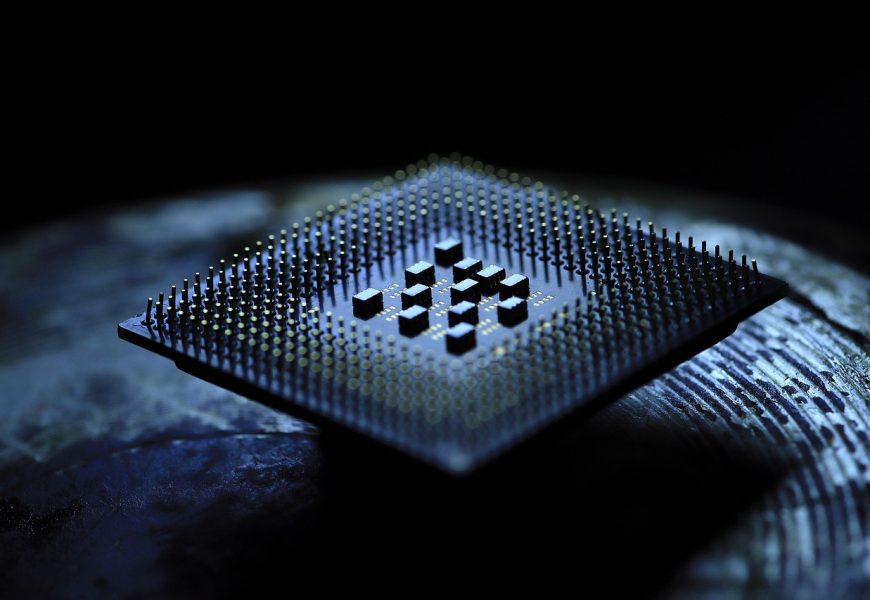
As the global semiconductor industry seeks new production hubs, India is emerging as the right place for next-gen electronics chip manufacturing. With its vast talent pool, government incentives, and growing domestic demand, India is poised to become a key player in the global semiconductor ecosystem.
1. Government Initiatives and Policies
The Indian government has launched several initiatives to attract semiconductor manufacturers and investors.
Key Policies:
- Semiconductor Manufacturing Policy: Offers financial support for setting up semiconductor fabs.
- Production Linked Incentive (PLI) Scheme: Provides subsidies and tax benefits to electronics manufacturers.
- India Semiconductor Mission (ISM): A $10 billion initiative to develop a robust chip manufacturing ecosystem.
- Ease of Doing Business Reforms: Streamlined regulations and improved infrastructure for global investors.
- Make in India Initiative: Encourages domestic production and foreign investments in high-tech industries.
2. Strategic Location and Global Trade Access
India’s geographical advantage offers access to major markets like Europe, the Middle East, and Southeast Asia. Its strong trade relations with the USA, Japan, and Taiwan make it an attractive destination for chip manufacturers. Additionally, India’s proximity to major shipping routes ensures smooth logistics and export capabilities for semiconductor products.
3. Growing Domestic Demand for Semiconductors
With the rise of 5G, AI, IoT, and automotive electronics, India’s demand for semiconductors is skyrocketing. The consumer electronics and automotive sectors are driving local demand, making domestic chip production more viable. According to industry reports, India’s semiconductor consumption is expected to exceed $100 billion by 2030, making it one of the fastest-growing markets globally.
4. Abundant Skilled Workforce
India has a vast pool of highly skilled engineers specializing in semiconductor design, VLSI, and embedded systems. Leading institutions like IITs, NITs, and private engineering colleges produce thousands of chip design experts yearly, ensuring a steady talent supply. Additionally, partnerships between the government, academia, and private companies are enhancing skill development programs to prepare the workforce for semiconductor fabrication and advanced chip design.
5. Foreign Investments and Collaborations
Several global tech giants are investing in India’s semiconductor industry:
- TSMC and Intel exploring partnerships with Indian firms.
- Micron Technology’s new semiconductor facility under India’s PLI scheme.
- ISMC and Tower Semiconductor’s proposed $3 billion chip plant.
- Tata Group’s interest in semiconductor fabrication and chip packaging.
These collaborations indicate strong confidence in India’s potential as a semiconductor hub and highlight India’s growing role in the global semiconductor supply chain.
6. Cost-Effective Manufacturing and Infrastructure Development
Compared to traditional chip manufacturing hubs like the USA, South Korea, and Taiwan, India offers lower labor costs, affordable real estate, and reduced operational expenses. The government is also investing heavily in building semiconductor fabrication plants, research centers, and industrial parks to attract global manufacturers.
7. Energy and Sustainability Initiatives
Semiconductor fabs require substantial energy for their operations. India is expanding its renewable energy infrastructure to support power-intensive semiconductor manufacturing. Solar and wind energy projects are being integrated into industrial zones to ensure sustainable and cost-effective energy solutions, making India an eco-friendly choice for chip manufacturers.
8. Reducing Dependence on Imports
India currently imports over 80% of its semiconductor needs, primarily from Taiwan, China, and the USA. Establishing domestic chip production facilities will reduce dependence on foreign suppliers, enhance national security, and strengthen India’s position in critical industries like defense, telecommunications, and space technology.
9. Rise of AI, IoT, and 5G Technology
The rapid adoption of AI, IoT, and 5G in India is fueling semiconductor demand. Companies setting up fabs in India can cater to the expanding domestic market while leveraging cost benefits. Indian startups and tech companies are actively developing AI-driven applications, further boosting the need for advanced semiconductor chips.
10. The Road Ahead: Challenges and Opportunities
While India presents immense opportunities, challenges like high initial investments, infrastructure readiness, and global competition must be addressed. However, with continued government support, foreign investments, and technological advancements, India is set to become a global semiconductor powerhouse.
Key Challenges:
- High Initial Capital Investment: Semiconductor fabrication plants require billions of dollars in investment.
- Advanced Technology Requirements: India must collaborate with global leaders to gain access to cutting-edge semiconductor fabrication technology.
- Supply Chain Dependencies: India needs to develop a robust supply chain for raw materials, including silicon wafers and chemicals required for chip manufacturing.
- Research & Development Needs: Increasing funding and partnerships for R&D in semiconductor technology will be critical for long-term success.
Opportunities for Growth:
- Emerging Startups and Innovation Hubs: India is witnessing a rise in semiconductor startups focusing on chip design and AI-driven applications.
- Government and Private Sector Collaboration: Stronger public-private partnerships will enhance semiconductor ecosystem development.
- Integration with Global Supply Chains: By aligning with global semiconductor leaders, India can strengthen its presence in the industry.
- Investment in Next-Gen Technologies: With advancements in quantum computing and AI, India can position itself as a pioneer in future chip manufacturing trends.
Conclusion
India’s strong government policies, skilled workforce, strategic location, and rising domestic demand make it the perfect destination for next-gen electronics chip manufacturing. As global companies look for new semiconductor production hubs, India is well-positioned to lead the future of chip manufacturing. With a well-executed strategy and continued investment, India has the potential to become one of the top semiconductor manufacturing destinations in the world.