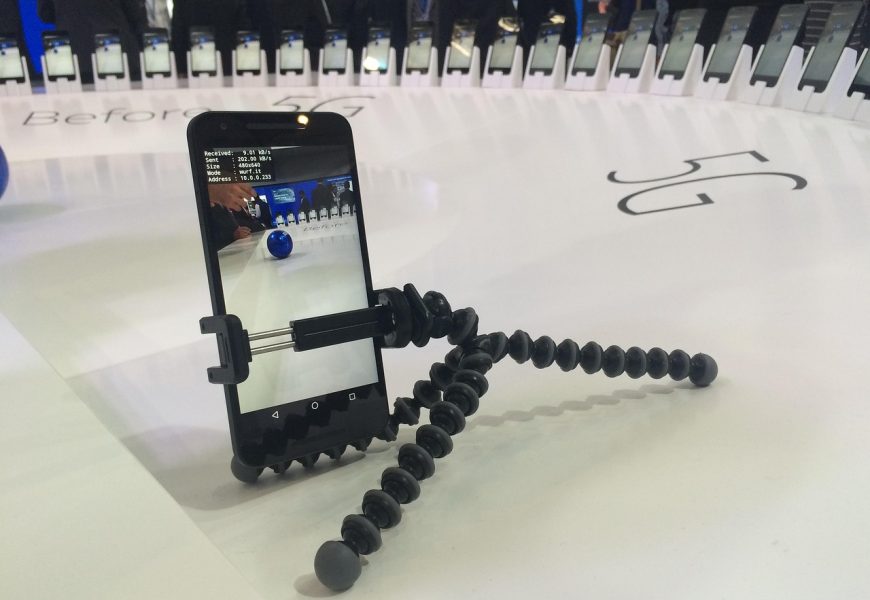
The rapid evolution of wireless technology is transforming the way we interact with the world. The advent of 5G connectivity, combined with the ever-expanding Internet of Things (IoT), is revolutionizing industries, enhancing smart devices, and redefining digital experiences. This article explores how 5G and IoT are shaping the future, driving efficiency, and improving real-time interactions across various sectors.
Understanding 5G and IoT
What is 5G?
5G is the fifth-generation wireless technology that offers significantly higher speeds, ultra-low latency, and improved network reliability compared to its predecessor, 4G LTE. With speeds reaching up to 10 Gbps, 5G enables real-time communication and data transfer, making it a crucial component for modern smart devices.
What is IoT?
The Internet of Things (IoT) refers to the network of interconnected smart devices that communicate with each other over the internet. These devices include wearables, smart home gadgets, industrial sensors, autonomous vehicles, and more. IoT enhances automation, efficiency, and data-driven decision-making across multiple industries.
The Impact of 5G on IoT
The integration of 5G with IoT is unlocking new possibilities for smarter and more responsive devices. Here’s how 5G is supercharging IoT applications:
1. Ultra-Fast Data Transfer
5G’s lightning-fast speeds enable seamless real-time data transmission between IoT devices, eliminating lag and improving performance. This is particularly beneficial for applications like autonomous vehicles, remote healthcare, and smart cities.
2. Low Latency for Instant Response
Latency refers to the time taken for data to travel between devices. With 5G, latency is reduced to as low as one millisecond, making IoT-powered applications more responsive. This is critical for mission-critical operations such as robotic surgery and industrial automation.
3. Massive Device Connectivity
Unlike previous networks, 5G can support up to one million devices per square kilometer. This means businesses and consumers can connect more smart devices without network congestion, paving the way for fully integrated smart environments.
4. Improved Energy Efficiency
5G networks are designed to be more energy-efficient, allowing IoT devices to operate longer on battery power. This is particularly useful for IoT applications like smart meters, wearable health monitors, and remote sensors in agriculture.
5. Enhanced Security Measures
With increased connectivity comes the challenge of cybersecurity. 5G networks offer advanced encryption and authentication protocols, reducing the risk of cyberattacks and ensuring secure IoT communication.
Applications of 5G-Powered IoT
1. Smart Cities
5G-enabled IoT is driving the development of smart cities by optimizing traffic management, reducing energy consumption, and improving public safety. Intelligent traffic lights, connected surveillance systems, and real-time air quality monitors are some examples of smart city applications.
2. Autonomous Vehicles
Self-driving cars rely on real-time data exchange with sensors, GPS, and other vehicles. The ultra-low latency of 5G ensures safe and efficient autonomous driving by enabling instant decision-making and seamless communication.
3. Healthcare and Telemedicine
5G-powered IoT is transforming healthcare by enabling remote patient monitoring, robotic-assisted surgeries, and real-time telemedicine consultations. Wearable health devices collect and transmit patient data instantly, allowing doctors to provide timely interventions.
4. Industrial Automation
Manufacturing industries are leveraging 5G and IoT to automate production lines, monitor equipment in real-time, and enhance predictive maintenance. Smart factories powered by 5G are reducing downtime and increasing operational efficiency.
5. Agriculture and Smart Farming
5G IoT solutions are improving precision agriculture by enabling farmers to monitor soil conditions, control irrigation systems remotely, and optimize crop yields. Connected drones and sensors provide real-time insights for better decision-making.
6. Smart Homes and Wearable Technology
5G is revolutionizing smart home devices, enabling faster and more efficient home automation. From voice-controlled assistants to security cameras with real-time alerts, 5G enhances the user experience. Additionally, wearable technology such as smartwatches and fitness trackers benefits from real-time health monitoring and instant data synchronization.
Challenges of Implementing 5G IoT
Despite its vast potential, there are challenges in adopting 5G-powered IoT solutions:
- Infrastructure Costs: Deploying 5G networks requires significant investment in infrastructure, including new towers, base stations, and fiber-optic connections.
- Security Concerns: With more devices connected, the risk of cyber threats increases. Companies need robust security frameworks to protect user data.
- Data Privacy Issues: IoT devices collect vast amounts of data, raising concerns about privacy and data misuse.
- Compatibility and Standardization: Ensuring seamless communication between different IoT devices and platforms remains a challenge.
The Future of 5G and IoT
As 5G networks continue to expand globally, their integration with IoT will unlock groundbreaking innovations. We can expect:
- More immersive experiences with AR and VR powered by ultra-fast connectivity.
- AI-driven automation in industries, enhancing productivity and decision-making.
- Greater energy efficiency, enabling sustainable smart city initiatives.
- Seamless interconnectivity between devices, making everyday life more efficient and convenient.
Conclusion
5G and IoT are driving a new era of technological advancements, making devices smarter, more responsive, and highly efficient. From healthcare and industrial automation to smart cities and homes, ultra-fast connectivity is powering a digital transformation. While challenges remain, the potential benefits far outweigh the obstacles, making 5G-powered IoT a key driver of future innovation.